Maharashtra Cuts VAT on ATF to 7% From 18% Amid High Jet Fuel Prices


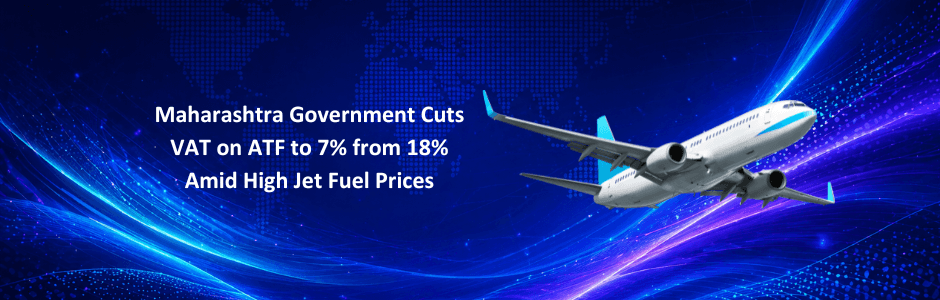
The Maharashtra government has reduced VAT on aviation turbine fuel (ATF) to 7% from 18%, a move aimed at easing pressure on airlines grappling with elevated jet fuel costs. The decision is expected to improve airline operating margins and may eventually support fares on some routes, especially if fuel prices stay high.
Understanding the Importance of the Cut
ATF is one of the biggest operating costs for airlines, so a lower VAT directly reduces their fuel bill. Since Maharashtra is a key aviation market with major airports in Mumbai and other cities, the tax cut can have an immediate impact on airline economics in the state.
High jet fuel prices have already been squeezing margins across the aviation sector, so this move comes as welcome relief for carriers operating through Maharashtra. It also improves the overall cost environment for domestic aviation at a time when demand remains sensitive to ticket prices.
Impact on Airlines :-
The biggest beneficiaries are likely to be airlines with heavy traffic exposure to Maharashtra routes, including operations at Mumbai airport. Lower fuel tax can help reduce per-seat operating costs, which may support profitability if oil prices remain firm.
However, airlines may not pass the full benefit to passengers right away. Much will depend on competition, route mix, and whether fuel prices stay elevated over the coming months.
Impact on Passengers :-
For passengers, the cut could eventually translate into more stable fares if airlines choose to share part of the savings. In the short term, though, fare changes are usually driven by broader fuel costs, demand trends, and capacity conditions rather than just one state tax change.
The move is still positive because it reduces one layer of cost pressure in the aviation system. Over time, that can help keep air travel more affordable than it would have been otherwise.
Wider Economic Impact
A lower ATF tax rate may also benefit Maharashtra’s broader aviation and tourism ecosystem. Cheaper operating costs can improve airline connectivity, support traffic growth, and make the state more attractive as an aviation hub.
For the government, the decision likely balances short-term tax revenue loss against the longer-term benefit of supporting airlines and related economic activity . That trade-off is especially relevant when fuel costs are high and airlines need relief to maintain route viability .

Popular Blogs