

Aluminum is one of the most widely used industrial metals in the world, playing a critical role in infrastructure, automobiles, aviation, packaging, renewable energy, and EVs. With global decarbonisation and lightweight material demand rising, many investors are exploring Aluminum ETFs as a way to gain exposure to this metal without trading futures or holding physical aluminum.
This blog explains how to invest in an Aluminum ETF, its strengths and risks (in bullet points only), FAQs, SEO meta tags, and a rich set of short-tail and long-tail keywords.
What Is an Aluminum ETF?
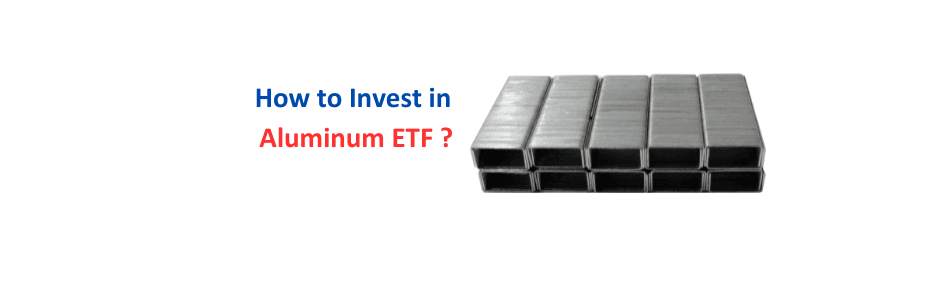
An Aluminum ETF (Exchange Traded Fund) is a market-linked investment instrument that provides exposure to aluminum prices or aluminum-related companies. Instead of buying aluminum physically or trading futures, investors can access the theme through ETFs.
Aluminum ETFs generally invest in:
- Aluminum futures contracts
- Global aluminum producers and miners
- Commodity baskets with aluminum exposure
Why Consider Aluminum ETFs?
-
Aluminum demand is rising due to EVs, renewable energy, and lightweight manufacturing
- Plays a key role in infrastructure and construction cycles
- Offers diversification beyond equities and precious metals
- Easier access compared to commodity futures
- Suitable for thematic and cyclical investing
How to Invest in Aluminum ETF (Step-by-Step)
Step 1: Identify the Type of Exposure
- Price-based aluminum ETF (futures-linked)
- Aluminum mining and production ETF
- International commodity ETF or Fund of Funds (FoF)
Step 2: Check Availability (India vs Global)
- In India, aluminum exposure is usually available via international ETFs or FoFs
- Direct aluminum ETFs are mostly listed on global exchanges
- Investment may require an international trading account or MF platform access
Step 3: Open the Required Account
- Open Demat & trading account (for FoFs)
- Overseas trading account (for global ETFs, if applicable)
Step 4: Place the Investment
- Search the ETF on your platform
- Choose investment amount or number of units
- Use market or limit orders
Step 5: Monitor & Review
- Track global aluminum prices
- Follow infrastructure, EV, and energy transition trends
- Review exposure periodically as aluminum is cyclical
Strengths of Aluminum ETF
-
Exposure to global industrial growth
- Beneficiary of EV and renewable energy adoption
- Lightweight metal replacing steel in many industries
- Portfolio diversification beyond equities
- No physical storage or quality concerns
- Easier access than futures trading
Risks of Aluminum ETF
-
Highly cyclical and sensitive to global economic slowdown
- Prices depend heavily on China’s demand and supply policies
- Volatile due to energy costs and smelting economics
- Currency risk in international ETFs
- Futures-based ETFs may face rollover costs
- Not suitable as a core long-term holding
Aluminum ETF vs Other Metal ETFs
-
More growth-oriented than Gold ETFs
- Less stable than Silver ETFs
- Closely linked to industrial and infrastructure cycles
- Higher volatility compared to precious metals
Suggested Allocation (Indicative)
- Conservative investors: 5% or less
- Moderate investors: 5–10%
- Aggressive investors: Tactical allocation based on cycles
Frequently Asked Questions

Popular Blogs