Commercial LPG Cylinder Price Hike from 1st May 2026
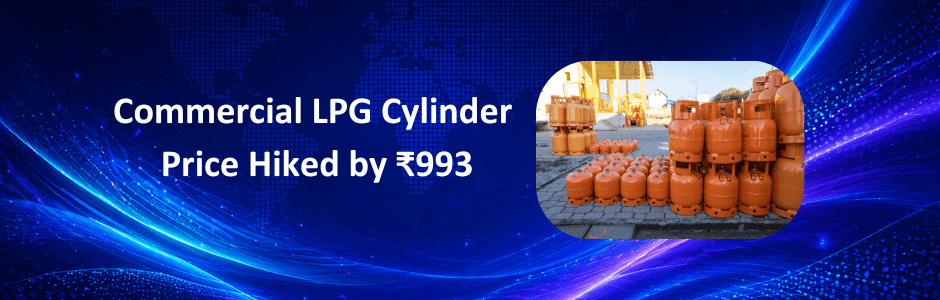
The sharp ₹993 increase in commercial LPG cylinder prices has sent ripples across multiple sectors—especially food services, hospitality, and small businesses that rely heavily on cooking gas. While price fluctuations in fuel aren’t new, a hike of this magnitude demands closer attention. Commercial LPG cylinder prices in Delhi are now at Rs 3,071.50 (from Rs 2,078.50 earlier). Similarly, commercial LPG cylinder prices in Mumbai have been raised from Rs 2,031 to Rs 3,024.
🔺 What Happened?
Commercial LPG cylinders—commonly used by:
- Restaurants
- Hotels
- Street food vendors
- Catering businesses
have seen a steep price increase of nearly ₹1,000 per cylinder.
👉 This is one of the most significant single revisions in recent times.
💸 Why the Price Hike?
Several factors typically drive such increases:
1. Global Energy Prices
LPG prices are linked to international fuel markets. Any spike in crude oil or gas prices directly impacts domestic rates.
2. Currency Depreciation
A weaker rupee makes imports more expensive, pushing LPG prices higher.
3. Supply Chain Pressures
Geopolitical tensions, shipping costs, and supply disruptions can tighten availability.
4. Policy Adjustments
Subsidy changes or pricing revisions by oil marketing companies can also lead to sudden hikes.
🍽️ Impact on Businesses
1. Restaurants & Food Delivery
- Rising input costs
- Pressure on margins
- Possible menu price increases
👉 Expect gradual price hikes in dining and food delivery services.
2. Small Vendors & Street Food Sellers
- Most vulnerable segment
- Limited ability to pass on costs
- Earnings may shrink
3. Catering & Hospitality
- Increased event and service costs
- Higher pricing for weddings and functions
🛒 Impact on Consumers
Even though domestic LPG prices may remain unchanged, consumers will still feel the pinch indirectly:
- Higher food prices
- Increased service costs
- Inflationary pressure on daily expenses
👉 Simply put: Your wallet feels it, even if your cylinder doesn’t.
📊 Inflation & Economic Ripple Effects
Fuel price hikes tend to have a cascading effect:
- Increase in food inflation
- Pressure on service sector pricing
- Potential impact on interest rate outlook
This aligns with broader economic patterns where energy costs influence inflation trends.
🧠 What Should You Do?
Instead of reacting emotionally, take a practical approach:
✔ Track Inflation Trends
Understand how rising costs impact your monthly budget.
✔ Adjust Spending
Be mindful of discretionary expenses like eating out.
✔ Review Investments
Sectors like FMCG, hospitality, and logistics may see short-term pressure.
✔ Stay Long-Term Focused
Such cost shocks are cyclical—not permanent.
📌 The Bigger Picture
While the ₹993 hike is sharp, it’s important to view it in context:
- India is a net energy importer
- Price volatility is part of a global cycle
- Businesses eventually adapt and recalibrate pricing
👉 Short-term pain, long-term adjustment.
🔑 Key Takeaways
- A ₹993 hike significantly impacts commercial users
- Businesses may pass on costs to consumers
- Inflationary pressures could rise in the short term
- Staying informed helps make better financial decisions

Popular Blogs